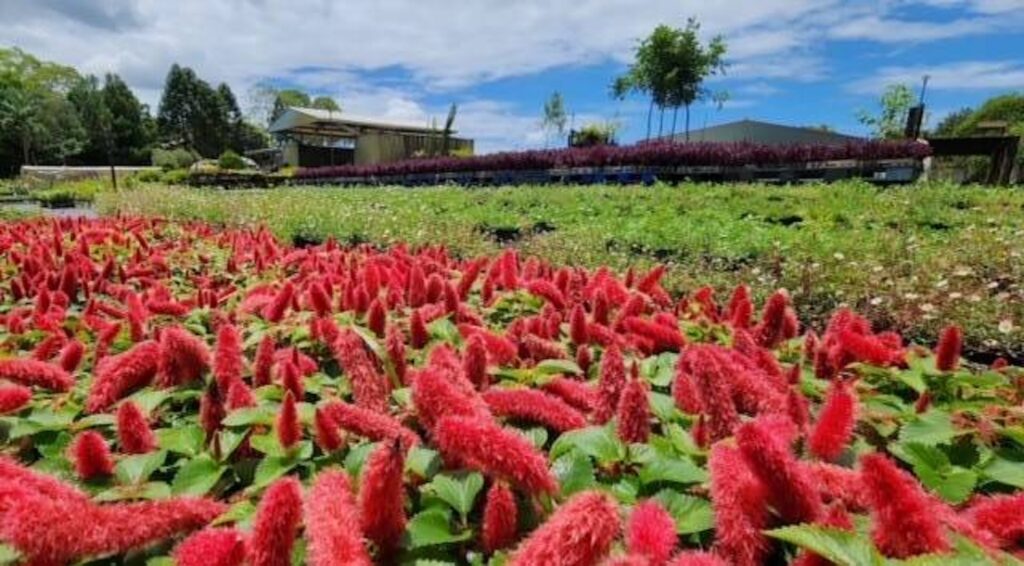
A filler plant is as important as your feature trees
Filler plants are regarded as specimens that ‘fill in’ the gap between the lawn and feature plants, whether that be a feature tree or screening hedge. Filler plants can also be used to screen off low service infrastructure such as bins, service pipes, etc.
But there is more to the aesthetic and function than what is first assumed.
Filler plants ‘ful-FILL’ the environmental role:
- Habitat and protection for understorey bird species
- Protection for ground-dwelling creatures (Lizards, frogs, etc.)
- Binds the soil and helps reduce erosion
- Assists in the carbon sequestering process.
Filler plants also ‘ful-FILL’ the aesthetic role:
- Colour of flowers and/or foliage can be the foundation for the entire planting scheme
- Fragrance, colour and texture of leaves can be the highlights of sensory garden designs
- Forms and shape of plants provide the aesthetic contrast to other nearby plants.
Filler plants tend to be the ‘common’ plants that are used in high numbers for a landscape project. Depending on the project brief, they may need to fit into one or more of the following:
- Native plant (or non-native)
- Wildlife friendly
- Erosion control and/or flooding tolerance
- Fire resilience
- Climate resilience
- Endemic local species revegetation
- etc.
The role of the filler plant is important as much as the turf cultivar, the feature tree or the greenwall vegetation. Select wisely to achieve the best possible garden design.
Staff at Plant Connections can help you select plants for ‘best fit’ for your landscape project. We are here to help you.