
Landscape Designers and Landscape Architects are in a quandry about plant selection, especially when it comes to narrow gardens or dealing with deadlines. The desire to create an instant screen of a carefully selected species is confronted with the reality of what is available in the industry at that time and what substitutes may be needed at short notice.
The Problems
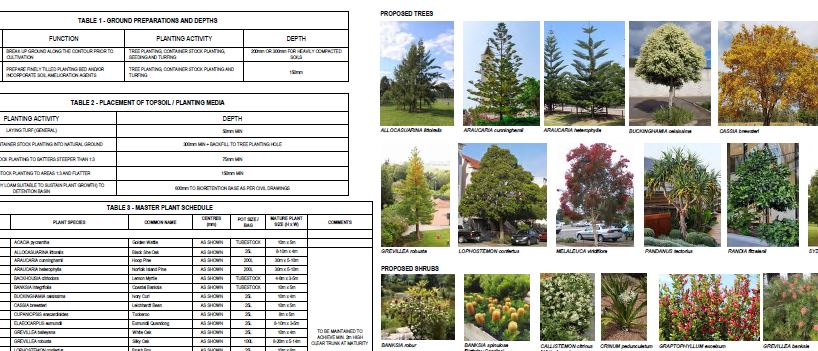
1. Plant Schedule species and/or cultivars VERSUS what is being grown by local nurseries.
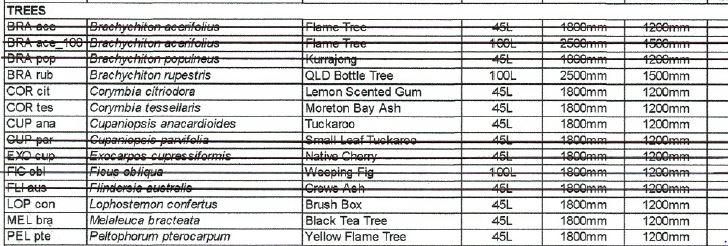
2. Pot sizes listed on the Plant Schedule VERSUS pot sizes plants are actually grown in.
3. Designers create Plant Schedule months ahead of when project starts VERSUS plant nurseries only find out about the plant list a few days or weeks before stock is needed.
4. AS2303:2018 Certification is asked for every tree species VERSUS reality. Not all trees are suitable for AS2303:2018 – that is a fact of nature.
The Solutions
1. Specifiers who are lacking the horticultural local knowledge should engage the expertise of local horticultural (qualified) experts and growers to ensure the Plant Schedule has lists of plants that will successfully grow in the area and situation (soil, wind, frost, etc). We are here to help.
2. Specifiers can visit production nurseries to see the range of pot sizes plants are grown in. If larger specimens are needed, then organise contract growing. We are here to help.
3. Overcome timing and species availability by contract growing. We are here to help.
4. Trees evolved and adapted to the environment where they exist, not to a man-made construct of what a tree should look like and how it should grow. Some Councils and Landscape Architects are guilty of not understanding variability of plant species, the AS2303:2018 process (and exclusions allowed for nature) and the blind belief that AS2303:2018 is the ultimate Standard. The solution is to learn more about each of the species, how they grow, and if AS2303 is relevant – in most cases it is not. We are here to help.
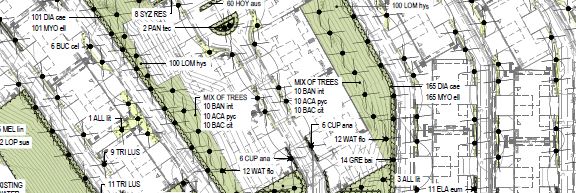
Moving forward and onward, we recognise the importance that decision makers of a project (councils, developers, landscape architects, designers) need to work with wholesale production nurseries to ensure the plants are available when stock is needed. This generally means working with wholesale production nurseries during the concept and design stages. Contract growing is a solution to many problems experienced by landscapers, landscape architects, developers, and councils.
Speak to us at Plant Connections to help find solutions for your next landscape project.