How to Select Specimens for an Australian Landscape
A feature tree plays a central role in Australian gardens, parks and public spaces, by providing visual impact in addition to shade, wildlife habitat and overall design structure. Selecting the right specimen begins with understanding your local environment, your local climate. Australia’s climate varies widely (subtropics, tropics, temperate, arid inland, etc), so choosing a tree suited to your region’s temperature range, rainfall, and soil type is essential for long-term success and low maintenance.
For designers, scale is one of the most important considerations. A feature tree should complement the size of the space whether that is a public park or a private garden — large trees can overwhelm small spaces, while smaller trees may be lost in expansive landscapes. Always consider the tree’s mature height and canopy spread, not just its size at planting.
Purpose also matters. Decide whether you want year-round shade (evergreen or deciduous), seasonal flowers, striking bark, or wildlife attraction. Many native trees offer multiple benefits, such as nectar for birds and pollinators, nesting sites or fruits for feed. It is generally considered native plants are better adapted to local climate however with the ‘heat island’ effect of urban centres, some local natives may no longer be suited to urban sites.
Placement is equally important: ensure the tree won’t interfere with buildings, power lines, or underground services, and allow room for root growth. It is critical to confirm there is sufficient soil volume to sustain the root growth dimensions and the soil properties (structure, texture, chemical & biology characteristics) are optimal for tree growth.
Maintenance requirements should guide your choice. Some feature trees drop large amounts of leaf litter or fruit, while others require minimal pruning and care. Selecting trees based on climate and soil suitability, drought-hardiness, and maintenance needs are recommendations to assess suitable feature trees.
Ultimately, a well-chosen feature tree enhances both the beauty and sustainability of an Australian landscape, creating a focal point that matures gracefully over time.
Feature Tree Suggestions for a Subtropical Garden in South East Queensland
For South East Queensland’s warm, summer-wet humid and winter-dry climate, consider these well-suited feature trees:
• Frangipani (Plumeria spp.) – Sculptural form with fragrant summer blooms. Deciduous foliage.
• Fraser Island (K’gari) Apple (Acronychia imperforata) – small tree ideal for small gardens and parks.
• Ivory Curl Flower (Buckinghamia celsissima) – Small to medium size tree that can be completely covered in white flowers in summer.
• Magnolia ‘Litte Gem’ (Magnolia grandiflora ‘Little Gem’ or ‘St Mary’) – Medium sized tree with lovely glossy green leaves and huge showy white scented flowers.
• Native Gardenia (Atractocarpus [Randia] fitzalanii) – Glossy leaves, perfumed white flowers, and bird-attracting fruit.
• Queensland Waratah Tree (Alloxylon flammeum) – Rainforest species with sunning orange-red flowers in early summer. Needs a protected site, good soil and amply moisture in early years for establishment.
• Tuckeroo (Cupaniopsis anacardioides) – Hardy, attractive foliage, excellent for coastal and inland sites.
• Watergum Luscious (Tristanopsis laurina ‘Luscious’) – Hardy medium sized tree with attractive trunk and dark green leaves.
• Weeping Lillypilly (Waterhousia floribunda) – Graceful weeping branches with small white flowers.
• Whitsunday Bottletree (Brachychiton compactus) – The ideal ‘bottletree’ for a humid climate zone.
Additional feature plants to consider are:
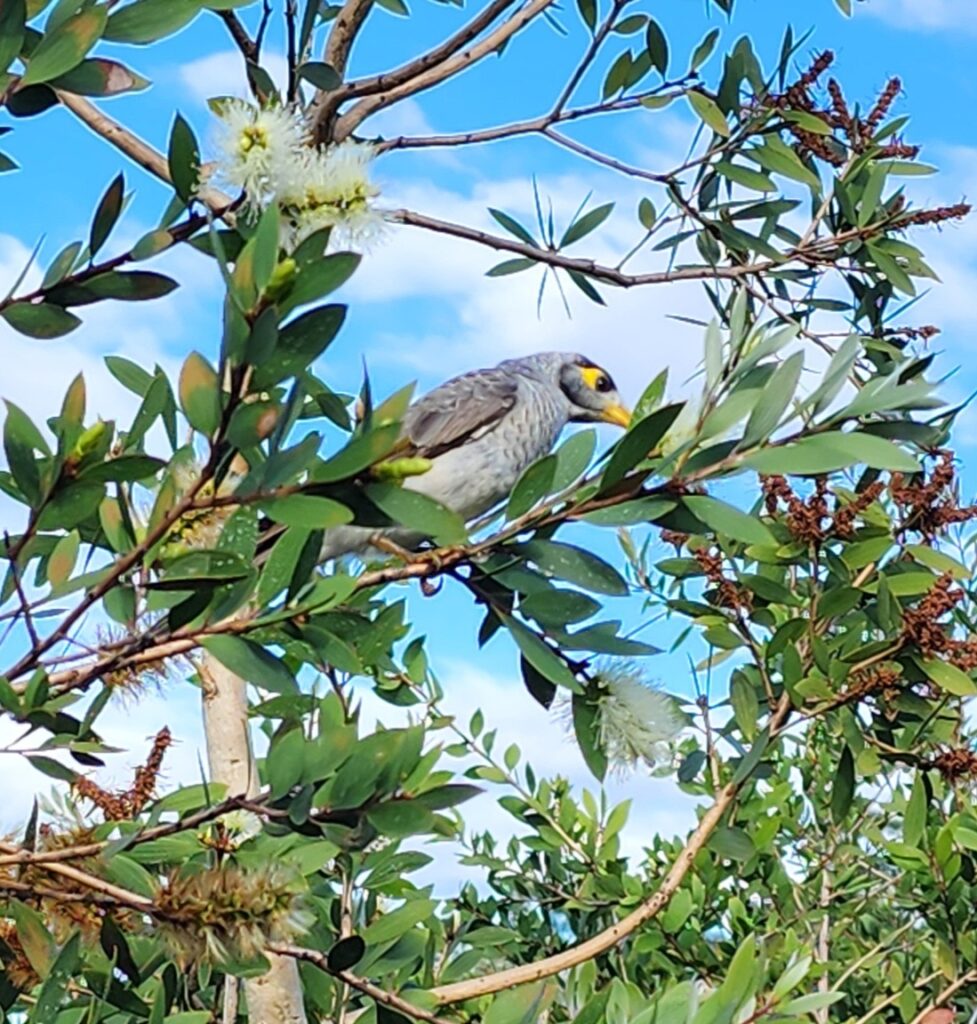
• Bottlebrushes (Callistemon spp.) – select the right species or cultivar and you can have a small tree with the iconic bottlebrush flowers.
• Brush Box (Lophostemon confertus) – Glossy leaves, neat form, and good shade.
• Jacaranda (Jacaranda mimosifolia) – Large and wide spreading iconic tree with mauve flowers. Deciduous.
• Poinciana (Delonix regia) – Striking red summer flowers and a wide, shady canopy. Deciduous.
• Trumpet Tree (Tabebuia spp. / Handroanthus spp.) – Highly attractive flowering deciduous trees.
• Weeping Tea Tree (Leptospermum madidum / Aggreflorum longifolium) – Small tree with willow-like weeping branches.
To avoid future failures as a result of inappropriate plant selection, talk to us during your designing stage. We can help you select the right plants for your projects.